海外FX業者が提供する「入金ボーナス」は、口座に資金を入金するだけで証拠金が増える魅力的なキャンペーンです。
海外FX入金ボーナスを上手に活用すれば、自己資金が少なくても余裕を持ったトレードが可能になり、初心者から上級者まで大きなメリットを享受できます。一方で、ボーナスには独自の仕組みや制限、注意点も存在します。
本記事では海外FXの入金ボーナスについて基礎から徹底解説し、主要ブローカー8社のボーナス内容を比較したおすすめランキングや、ボーナスを最大限活用するコツまで詳しく紹介します。初心者の疑問から上級者が知っておきたい戦略まで網羅していますので、ぜひ最後までご覧ください。
海外FX入金ボーナスとは?
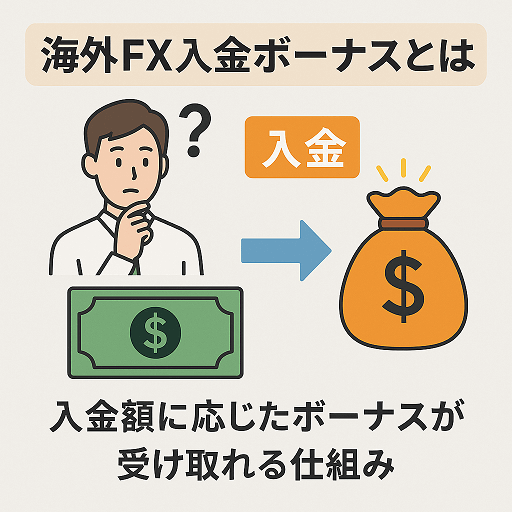
海外FX入金ボーナスとは、海外FX業者に取引資金を入金した際に、その入金額に応じて業者からボーナスが付与されるキャンペーンのことです。
例えば「入金額の100%ボーナス」の場合、10万円を入金すると同額の10万円がボーナスとして支給され、合計20万円の証拠金で取引を開始できます。海外FXでは高額な入金ボーナスを恒常的または期間限定で提供している業者が多く、これは日本国内のFX業者にはない大きな魅力と言えます。
入金ボーナスによって自己資金以上の証拠金で取引できるため、資金効率が向上し大きな利益を狙いやすくなります。また、ボーナス分の資金がクッションとなり、含み損が出ても証拠金維持率に余裕が生まれるメリットもあります。
ただし、基本的に入金ボーナスそのものは直接出金できず、あくまで取引の補助資金(信用貸付のようなもの)として提供される点に注意が必要です。
海外FX各社によって提供されるボーナスの割合(ボーナス率)や上限額、適用される入金回数などは異なります。例えば「初回入金のみ100%ボーナス、以降は20%」といった形で段階的に付与される場合や、常時一定割合のボーナスが何度でも受け取れる場合もあります。
いずれにせよ、ボーナスを上手に活用すれば手持ち資金が2倍以上に増強されるため、海外FX初心者が少ない資金でスタートする際や、上級トレーダーがレバレッジを効かせて積極的にトレードする際にも強力な味方となります。
海外FX入金ボーナスの仕組み(クレジット型/キャッシュ型)
一口に入金ボーナスと言っても、その付与形態には大きく分けて「クレジット型」と「キャッシュ型」の2種類があります。ボーナスの仕組みを正しく理解するために、それぞれの特徴を押さえておきましょう。
クレジット型ボーナス(信用ボーナス)
もっとも一般的な形式で、ボーナスは取引口座の「クレジット」欄に反映されます。クレジット型では、ボーナスは証拠金として取引に利用できますが口座残高には含まれません。そのため直接ボーナスを出金することはできません。
ただし、クレジットボーナスには多くの場合クッション機能(後述)が備わっており、口座残高がゼロになった後もボーナス資金だけで取引を続行可能です。
クレジット型ボーナスは「取引専用の保証金」のようなもので、証拠金維持率を引き上げたりロスカットを先延ばしにしたりする効果があります。典型的な例として、XMやBigBoss、FXGTなど大半の海外FX業者の入金ボーナスはクレジット型です。
キャッシュ型ボーナス(現金ボーナス)
ボーナスがクレジットではなく直接口座残高に加算されるタイプです。見た目上は自己資金と同じ扱いになるため、場合によっては条件を満たすことでボーナスを現金化(出金)できることがあります。
たとえば「一定の取引ロット数を達成すればボーナス出金可」といった条件付きで現金ボーナスを提供する業者も存在します。ただし、こうした出金可能なボーナスを提供するブローカーではクッション機能が無効になっているケースが多い点に注意が必要です。
クッション機能がないと、口座残高(自己資金)がゼロになった時点で強制ロスカットとなり、ボーナス分は残っていても証拠金としては使えません。つまり、現金型ボーナスは一見魅力的ですが、取引上のメリットはクレジット型ボーナスより小さくなる可能性があります。
クッション機能とは、簡単に言えば「ボーナスを含めた額を証拠金として扱う機能」のことです。クッション機能ありのボーナスなら、含み損が自己資金を上回ってもボーナス分が証拠金として消費され、ボーナス分まで使い切った時点でロスカットとなります。
一方、クッション機能なしの場合は自己資金部分が無くなった時点でロスカットが発動し、ボーナスが残っていてもそれ以上の損失をカバーすることはできません。多くの海外FX業者では、入金ボーナスはクッション機能ありのクレジット型として提供されるのが一般的です。
したがって、基本的にはボーナス分まで含めた大きな余力でトレードできますが、「ボーナスが現金化できるか」「ロスカット判定にボーナスが含まれるか(クッション機能)」は業者ごとに異なるため、事前に確認しておくことが大切です。
海外FX入金ボーナスの出金条件・注意点
入金ボーナスを活用する際には、出金に関する条件やいくつかの注意点を理解しておく必要があります。ボーナス絡みのトラブルを避けるためにも、以下のポイントを押さえましょう。
海外FX入金ボーナスの自体は出金不可
原則として、入金ボーナスそのものを現金として引き出すことはできません。ボーナスはあくまで取引のための証拠金です。もし入金直後にボーナスをそのまま出金できてしまえば、業者側が「タダでお金を配る」ことになってしまいます。
そのため、各社ともボーナスは直接出金できない規約となっており、利用者はボーナスを使って得た利益のみ出金可能です。「ボーナス = 借りた証拠金」と捉え、ボーナス自体を現金化するには一定の取引を行って利益として残す必要があると心得ましょう。
海外FX入金ボーナスは出金や資金移動を行うと消滅
入金ボーナスは一度付与された後でも、出金手続きをしたり他口座へ資金移動したりすると消滅します。例えば、10万円入金して5万円のボーナスを受け取った後に、口座から5万円を出金すると、ボーナスもそれに比例して減額・取消されます(ボーナス額の消滅ルールは業者により異なり、一部または全額が失効)。
特に注意したいのは、入金ボーナスをもらった口座から資金を出金するとボーナスが消える点です。せっかくのボーナスを無駄にしないためにも、ボーナスを保有している間は安易に出金や口座間の資金移動をしないようにしましょう。
海外FX入金ボーナスには上限額や適用回数がある
各社のボーナスキャンペーンには上限金額が設定されています。例えば「100%ボーナス上限5万円まで」の場合、5万円を超える部分にはボーナスが付与されません。
また「初回入金のみ」「入金3回目まで」など、ボーナス適用回数に制限がある場合もあります。上限額を超える入金や、適用回数を超える入金をしても追加のボーナスは受け取れません。
複数回の入金でボーナスをもらえる場合は、ボーナスを最大化するよう計画的に入金回数や金額を調整しましょう(具体的な戦略は後述)。
海外FX入金ボーナスは口座タイプや条件による制限がある
業者によってはボーナス対象外の口座タイプがあります。例えばXMではスプレッドの狭いゼロ口座は入金ボーナス対象外、BigBossでも仮想通貨専用口座ではボーナスが付かない、といった具合です。
口座開設時や入金時にボーナス受取の有無を選択するケースもあり、誤って「ボーナス不要」を選ぶと付与されないので注意してください。
また、ボーナス付与を受けるには本人確認の完了が必須だったり、入金方法によって対象外となる場合(例:ウォレット経由の内部振替ではボーナスなし)がある点も覚えておきましょう。
海外FX入金ボーナスは有効期限やキャンペーン期間がある
入金ボーナス自体に有効期限が設定されているケースは稀ですが(基本的にボーナスは出金・消滅するまで残る)、キャンペーン自体の開催期間が限定されていることがあります。
例えば「○月○日まで入金100%ボーナス実施中」のような期間限定ボーナスです。この場合、期間内の入金にしかボーナスが付与されません。記事執筆時点の最新キャンペーン期間を確認し、チャンスを逃さないようにしましょう。
海外FX入金ボーナスの規約違反行為への対処
複数口座間で両建て(ボーナスを利用した無リスク取引によるボーナス消化)を図るなど、ボーナスを不正に現金化しようとする行為は禁止されています。そのような行為が発覚した場合、業者はボーナスの剥奪や最悪の場合口座凍結など厳しい措置を取ります。
ボーナスはあくまで取引支援の好意的な措置であり、悪用は厳禁です。正規の取引を行い、健全にボーナスを活用しましょう。
以上の点を踏まえ、入金ボーナスは「直接は出金できないが、上手に使えば利益を出して出金できる」「出金する時には消える」「無限にはもらえない」と理解しておけば大丈夫です。
次章では、ボーナスが思うように「反映されない」場合に考えられる原因について解説します。
海外FX入金ボーナスが反映されない理由とは?
入金手続きを確かに行ったのにボーナスが口座に反映されない場合、いくつかの原因が考えられます。慌てずに、以下のポイントを確認してみてください。
既存ユーザー/対象外ユーザーである
入金ボーナスの多くは新規口座に対するキャンペーンであり、過去に同一業者で口座開設・入金ボーナス受取経験がある場合は対象外となります。例えば「初回入金限定100%ボーナス」は文字通り最初の1回だけなので、2回目以降の入金には適用されません。
また、ブローカーによっては国籍や居住地でボーナス対象を制限していることもあります(日本在住者のみ対象など)。自分がキャンペーンの対象ユーザーか、再度条件を確認しましょう。
口座開設時にボーナス不要を選択した
口座開設フォームで「ボーナスを受け取らない」というオプションがある場合、それを選んでしまうとせっかく入金してもボーナスが付与されません。
XMなどでありがちなミスです。この場合、サポートに連絡しても後からボーナスを遡って付与してもらうことはできません。一度「不要」を選んだ口座ではそのままボーナス対象外となります。
解決策としては、新たにボーナス受取可の追加口座を開設し直す方法があります。今後口座開設する際は、必ずボーナス受取希望にチェックを入れるようにしましょう。
本人確認(KYC)が未完了
多くの海外FX業者では、本人確認書類の提出・承認が完了していない口座にはボーナスが反映されない仕組みになっています。
これは不正利用防止のためで、入金だけして出金できない状態(本人確認未完了)ではボーナス付与しても意味がないためです。入金前に必ず本人確認を済ませておきましょう。本人確認書類に不備があった場合も承認が遅れ、その間ボーナス付与が保留となることがあります。
入金先を間違えた/正しい手順を踏んでいない
一部業者では、資金をまず「ウォレット(マイアカウント)」に入金し、そこから取引口座へ内部振替をする仕組みを採用しています。ボーナスは取引口座への入金時に付与されるため、ウォレットに資金を入れただけでは反映されません。
例えば入金後に自分で口座へ資金移動の操作をする必要がある場合、その操作を忘れているとボーナスは付きません。また、ボーナスコードが発行されているキャンペーンでは、入金時にそのプロモコードを入力しないと反映されないこともあります。入金フローや手続きに漏れがないか確認しましょう。
対象外の口座タイプ・入金方法を利用した
前述のとおり、口座タイプがボーナス非対応だったり、入金経路によってはボーナス対象外となるケースがあります。例えばXMのZero口座に入金してもボーナスは付与されませんし、BigBossでは仮想通貨建て口座はボーナス対象外です。
さらに、FX業者によっては銀行送金や特定の決済サービス利用時にはボーナスが付かないという条件もあります(公式には少ないですが、経由する方法によっては適用外になることも)。入金前に、自分の選んだ口座種別・入金方法がキャンペーンの対象であるか確認してみてください。
最低入金額やタイミングの条件未達
キャンペーンによっては「○円以上の入金でボーナス付与」という最低入金金額が設定されている場合があります。たとえば「1万円以上の入金が対象」で5000円しか入金していなければ、当然ボーナスは付きません。
また、Vantageなどでは「口座開設後7日以内の初回入金に限り120%適用」など入金のタイミングが条件になる場合もあります。この期限を過ぎて入金したために、通常より低いボーナス率になったり、ボーナス自体もらえなかったりするケースが考えられます。
以上をチェックしても原因がわからない場合は、各社のサポートに問い合わせてみましょう。多くは上記に当てはまるものですが、それでも「ボーナスが付与されない」ときは遠慮なくサポートに相談するのが一番です。
海外FX 入金ボーナスおすすめ比較ランキング
ここからは、海外FXの主要ブローカーの中でも入金ボーナスが特に充実している8社を、ランキング形式でご紹介します。
それぞれボーナスの割合(◯%)や上限金額、付与の仕組み、出金条件などの要点をまとめています。自分に合ったボーナスを提供している業者選びの参考にしてください。
第1位 XM(エックスエム) – 最大220%入金ボーナス
XM(XMTrading)は日本人トレーダーに圧倒的な人気を誇る海外FX業者で、そのボーナスプログラムも業界トップクラスに豪華です。
通常時でも「初回100%+以降20%」の入金ボーナスを常時提供していますが、2026年現在は期間限定で合計220%もの入金ボーナスキャンペーンを実施中です。
具体的には、初回入金に対して100%(上限500ドル相当)、さらに2回目の入金でも100%(上限500ドル相当)を獲得でき、その後も累計入金額1,000ドルを超えた分に対しては一律20%(上限ボーナス総額10,500ドルに達するまで)が付与されます。
ドル建てで説明すると、500ドルまで100%+追加500ドルまで100%+それ以上は20%という内訳で、円換算では総額約165万円分のボーナスが獲得可能です。
XMのボーナスはクレジット型で提供され、直接出金はできません。しかし、ボーナスにはしっかりクッション機能があるため、自己資金がゼロになってもボーナス残高で取引を続行できます。また、ボーナスを利用して生じた利益に関しては制限なく出金可能です。ただし、一部でも出金すると残りボーナスが出金額に応じて減額される点には注意が必要です(例えば利益を含め資金を引き出すと、その割合に応じてボーナスも消滅します)。
XMの入金ボーナスはスタンダード口座とマイクロ口座が対象で、スプレッドの狭いゼロ口座は対象外となっています。受け取りには特別な手続きは不要で、該当口座へ入金すれば自動で「クレジット」に反映されます(もし反映されない場合は口座種類を確認しましょう)。また、XMでは入金ボーナスだけでなく口座開設ボーナス(約13,000円分)も提供されており、これらを組み合わせて利用することで少額からでも有利に取引を始められます。総合力の高さとボーナスの手厚さで、XMは初心者から上級者まで万人におすすめできる業者です。
要点まとめ(XM): 初回100%(~$500)+2回目100%(~$500)+以降20%(最大合計$10,500まで)という破格のキャンペーンを展開中。ボーナスはクッション機能付きクレジット型で、出金不可だが利益は出金OK。ゼロ口座は対象外なので開設時はスタンダード等を選択。
第2位 iFOREX(アイフォレックス) – 初回125%入金ボーナス
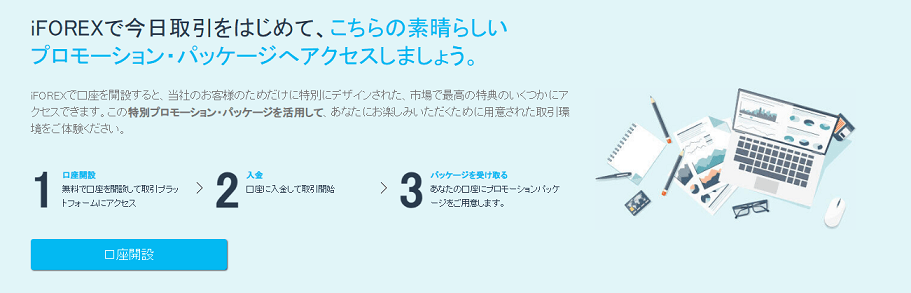
iFOREXは1996年設立の老舗ブローカーで、安全性・信頼性の高さに定評があります。通常時はボーナス施策が少ない傾向にありますが、現在は破格とも言える「初回入金125%ボーナスキャンペーン」を実施中です。他社に比べ派手さはないものの、実質的な優遇度合いから当ランキング第2位に選出しました。
iFOREXの入金ボーナスの内容は、初回入金額に対して100%(上限600ドル相当:約9万円)を付与し、さらに600ドルを超える部分に対しては25%のボーナスが追加付与されます。ボーナス付与の上限は入金額ベースで最大2,000ドル(約30万円)までとなっており、仮に$1,400入金した場合は最大全額のボーナスが付与されます(内訳:$600部分に100%=$600、残り$800部分に25%=$200、合計$800のボーナス)。
円換算では、約14万円の入金で約8万円分のボーナスがもらえる計算です。最大ボーナス額は$800程度になりますが、元々iFOREXはボーナスを滅多に行わない業者であることを考えると非常に太っ腹な内容と言えます。
iFOREXのボーナスもクレジット(トレadingクレジット)型で付与され、直接の出金はできません。ボーナスの利用によって得た利益はもちろん出金可能ですが、iFOREXでは一部出金でボーナス全額消滅となるため注意しましょう。また、iFOREXはMT4/MT5ではなく独自のプラットフォームを使用している関係で、ボーナスの表示や反映がMT4口座とは異なりますが、入金後に自動付与される点は他社と同じです。
なお、iFOREXには口座開設ボーナスは通常存在しませんが、特定のタイアップ経由(当サイト限定等)では1万円台の口座開設ボーナスがもらえるケースもあります。そうした特典と組み合わせれば、初回入金125%ボーナスとあわせて非常に有利な条件でトレードを開始できるでしょう。iFOREXはスプレッドの狭さや約定力にも定評があり、安心感を重視するトレーダーにとって魅力的な選択肢です。
要点まとめ(iFOREX): 初回入金は実質125%(~$600まで100%+超過分25%、入金額上限$1,400程度で最大$800ボーナス)。老舗ならではの信頼感。ボーナスはクレジット型で出金不可、一度でも出金するとボーナスは全消滅するので注意。
第3位 Vantage(ヴァンテージ) – 最大190%入金ボーナス
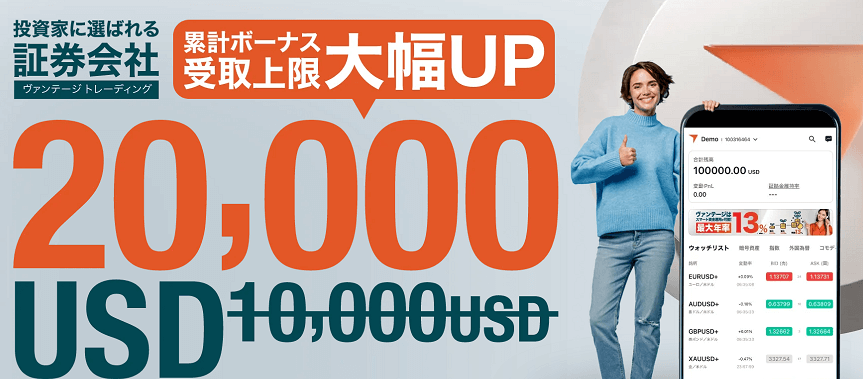
Vantage (Vantage Markets)は全世界で1500万以上の口座開設実績を持つグローバルな人気業者です。高い約定力と使いやすい取引環境が評判で、日本でも注目度が上がっています。Vantageの魅力は、何と言ってもそのボーナスキャンペーンの豪華さでしょう。
同社では複数段階にわたる入金ボーナスを提供しており、最大で190%(ボーナス総額上限300万円)ものボーナスを受け取ることが可能です。
Vantageの入金ボーナスは大きく3段階に分かれています。
- 第1段階:初回入金ボーナス120%(上限7万5000円分のボーナス) – これは口座開設後7日以内に初回入金を行った場合に適用されます(8日目以降だと付与率100%に減額)。例えば登録後1週間以内に6万2500円を入金すれば、その120%にあたる7万5000円のボーナスが付与され、合計で13万7500円の証拠金となります。※初回ボーナスの付与上限が7.5万円なので、6万2500円以上入金してもボーナスは7.5万円が上限です。
- 第2段階:2回目入金ボーナス50%(上限15万円分のボーナス) – 初回の次に行う2回目の入金に対しては、一律50%のボーナスが付きます。こちらは上限ボーナス額15万円までとなっており、上限をフルでもらうには30万円の入金が必要です(30万円の50%=15万円ボーナス)。2回目の入金ボーナスは一度きりのため、高額入金できる場合はこのタイミングで上限いっぱいまで狙うと良いでしょう。
- 第3段階:追加入金ボーナス20%(累計ボーナス額が300万円に達するまで) – 2回目以降(3回目、4回目…)の入金にはすべて20%のボーナスが付与されます。こちらはボーナス総額が300万円相当に到達するまで繰り返し付与され、事実上ほぼ無制限に近い厚遇です。もっとも、満額300万円のボーナスを得るには累計で約1387万5000円以上もの入金が必要(20%ボーナスで約277万5000円+前段階までのボーナスを合わせて300万円)なので、一般トレーダーには現実的ではありません。とはいえ、初回・2回目だけでも合計22万5000円分のボーナスが受け取れる計算になり、Vantageのボーナスは非常に充実しています。
Vantageの入金ボーナスはクレジット型で付与され、口座の「Credit」欄に反映されます。クッション機能ありで証拠金として機能し、ボーナス利用による利益は出金可能です。出金時はその金額に応じボーナスが減額(または消滅)します。なお、ボーナス対象口座は基本的にスタンダード口座となっており、ECN口座(RAW口座)はプロモーション対象外の可能性があるので注意してください※。
また、Vantageでは口座開設ボーナス15,000円も並行して提供中で、本人確認を完了するだけで受け取れます(7日以内なら満額、以降は10,000円に減額)。これらを組み合わせれば、Vantageだけで相当額のボーナスをもらって取引を始めることができます。
※公式のキャンペーン条件を要確認。一般的にボーナスは取引コストの低いECN口座では対象外となりやすいため、口座開設時にボーナス重視ならスタンダードタイプで開設するのがおすすめです。
要点まとめ(Vantage): 7日以内初回120%(~7.5万円ボーナス)+2回目50%(~15万円)+3回目以降20%(総ボーナス300万円まで)。付与総額は大きいが高額入金が前提。ボーナスはクレジット型でクッションあり、出金すれば減額。口座開設ボーナスもあり総合No.1級の手厚さ。
第4位 BigBoss(ビッグボス) – 最大150%入金ボーナス
BigBossは高いレバレッジと高速注文約定で人気の海外FX業者です。ボーナスにも力を入れており、定期的に魅力的なキャンペーンを開催しています。
現在BigBossでは、初回100%+二回目30%+以降20%という内容の入金ボーナスキャンペーンを実施しており、合計すると最大150%のボーナスが得られる仕組みになっています。
具体的な内容は以下の通りです。
- 初回入金:100%ボーナス(上限700ドル相当) – 初回の入金に対しては入金額と同額のボーナスが付与されます。ボーナス額の上限は700ドル(約10万5千円)までで、それ以上入金してもボーナスは700ドルが上限です。例えば10万円入金すれば10万円ボーナスがもらえ、証拠金は20万円になります。
- 2回目入金:30%ボーナス – 二回目の入金には30%のボーナスが付与されます。こちらも一応上限額の設定がありますが、初回に比べて大きめです(キャンペーン全体のボーナス総額上限が13,700ドル相当で設定されており、その内訳として2回目ボーナスは最大1,500ドル程度までもらえる計算になります)。例えば2回目に100万円入金した場合、30万円分のボーナスが付くイメージです(上限額まで入金すれば約1,500ドル=22.5万円程度がボーナス付与)。
- 3回目以降の入金:20%ボーナス – 3回目以降の追加入金すべてに対し、一律20%のボーナスが付きます。こちらも累計ボーナスが前述の上限額に達するまで何度でも適用されます。例えば3回目に50万円入金した場合、10万円のボーナス付与、といった具合です。
BigBossのボーナスはデラックス口座、スタンダード口座、プロスプレッド口座の主要アカウントタイプすべてが対象です(※暗号資産CFD専用のCRYPTOS口座は対象外)。ボーナスは自動的にクレジットとして反映され、クッション機能ありの信用ボーナスとして利用できます。ボーナス自体の出金は不可ですが、取引で得た利益はいつでも出金可能です。
出金・資金移動時の扱いについては、2025年4月より「部分出金した場合、出金額に応じてボーナスを一部消滅させる」方式に改善されています(以前は一部出金でもボーナス全額消滅でした)。
つまり例えば、口座残高の50%を出金する場合、ボーナス残高も50%消滅するといった具合です。この変更により、利益確定のための一部出金を行ってもボーナスが全て消えてしまうことはなくなりました。
ただし依然としてボーナス分を残すには出金しないのが一番なので、できれば利益出金はまとめて行うよりは、ボーナスを使い切ってからにするなど工夫すると良いでしょう。
BigBossはさらに、当サイト経由限定などで特別入金ボーナスクーポン(一括入金で2万円もらえる)やクレカ入金で一律○ドルプレゼントといった独自キャンペーンも行っています。これらも併用可能な場合、初回入金ボーナス+特別クーポン+クレカボーナスなどを同時に享受でき、非常にお得です。例えば10万5千円をクレジットカードで初回入金すれば、100%ボーナス10万5千円+特別クーポン2万円+カード入金特典1万5千円がすべて付与され、合計約24万円の証拠金になるという豪華さです(※それぞれ期間限定キャンペーンです)。
要点まとめ(BigBoss): 初回100%(~$700)+2回目30%+以降20%で累計最大$13,700相当のボーナスが獲得可能。主要3口座タイプで利用可。ボーナスはクッション機能ありのクレジット型で、部分出金なら比例消滅。口座開設ボーナスや限定クーポン等も活発で、総合的にボーナス充実度は高い。
第5位 FXGT(エフエックスGT) – 最大125%入金ボーナス
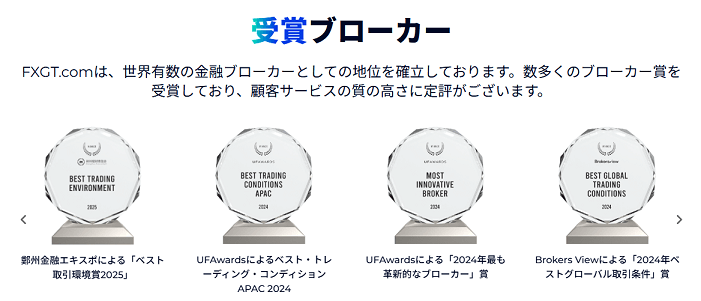
FXGTはFXだけでなく仮想通貨や株価指数など多彩なCFDを扱う新興ブローカーです。最大1000倍のレバレッジで仮想通貨トレードができる点がユニークで、日本でも近年ユーザー数を伸ばしています。
ボーナス施策にも積極的で、特に初回入金ボーナス100%を常設しつつ追加ボーナスも組み合わせて提供しています。その内容から、本ランキングでは「最大125%入金ボーナス」として位置付けました。
FXGTの入金ボーナス概要は以下の通りです。
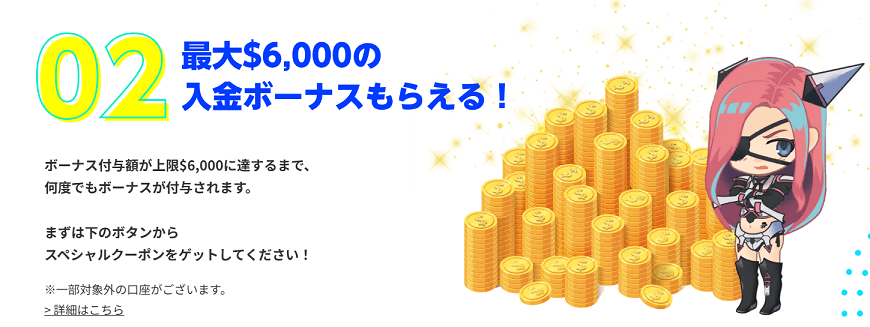
- 新規口座開設ボーナス:20,000円 – 入金ボーナスではありませんが、まずFXGTでは口座開設+本人確認完了で20,000円のボーナス(取引クレジット)がもらえる太っ腹なキャンペーンがあります。これだけで取引を始めることも可能ですが、さらに入金ボーナスも併用できます。
- 初回入金ボーナス:100%(上限8万円まで) – FXGTで対象口座を新規開設後、**初めての入金に対して入金額の100%**がボーナス付与されます。上限は8万円分のボーナスまでで、例えば8万円を初回入金すれば8万円のボーナスが付き、資金は計16万円になります。初回入金が8万円未満でもその額の100%が付きます(例:5万円入金で5万円ボーナス)。ただし9万円入金してもボーナスは8万円が上限です。
- 二回目以降の入金ボーナス:通常25% – 初回の次に行う入金からは、一律で25%のボーナスが付与されます。こちらは基本的に回数無制限で、毎回の入金額の25%がもらえます(特段の上限総額は明示されていませんが、極端な高額入金時には個別対応となる可能性あり)。例えば2回目に10万円入金すると2万5千円のボーナス、3回目に20万円入金すると5万円のボーナス、といった具合です。
- 期間限定キャンペーン:10%暗号資産入金ブースター – FXGTの特徴的なキャンペーンとして、暗号通貨で入金すると追加ボーナスがもらえる施策があります。現在は**「10% Loyalty暗号資産ブースター」として、仮想通貨入金を行うたびに通常の入金ボーナスにプラスして10%分のボーナスが上乗せ付与されます。これにより、普段は25%の入金ボーナスが実質35%(25%+10%)**に増強されます。仮想通貨入金には最低額制限もないため、期間中は積極的に暗号資産で入金することでお得に資金を増やせます。
FXGTの各種ボーナスはすべてクレジット型(取引クレジット)として付与され、直接の出金はできません。出金・資金移動するとボーナスは全額消滅しますので注意してください。
FXGTでは口座タイプによる制限は特になく、スタンダード+口座やミニ口座など全ての取引口座でボーナス対象です(Crypto Max口座も対象。ただし口座開設時にボーナスコードの入力ミス等ないよう注意)。もし入金したのにボーナスが付かない場合、対象口座を「新規」で開設していない等の原因が考えられます。基本的には新規開設→入金で問題なく付与されるはずです。
要点まとめ(FXGT): 初回100%(~8万円)+以降25%(暗号通貨入金時は+10%で合計35%)。新規口座開設で2万円ボーナス有。ボーナスはクレジット型で出金不可(キャッシュバック企画は除く)。暗号資産での入金活用でボーナス上乗せ可能。
第6位 HFM – 20%入金ボーナス
HFMは世界中にユーザーを持つ老舗ブローカーで、高い信頼性と豊富な取引プラットフォームを提供しています。HFMのボーナスプログラムはシンプルで、現在は「20%入金ボーナス」を常時提供しています。他社のような100%や200%といった派手な数字ではありませんが、上限額が比較的高く、まとまった資金を入金する中上級者にとってメリットがあります。
HFMの20%入金ボーナスの主な特徴:
- 常時20%・何度でも適用:HFMの入金ボーナスは**初回に限らず複数回の入金に対して常に20%**が付与されます。キャンペーン期間の限定もなく、いつ入金しても適用されます。例えば最初に50万円入金すれば10万円ボーナス、次に20万円入金すれば4万円ボーナス、といった形で繰り返し受け取ることが可能です。
- ボーナス上限額は約67万円(5,000ドル相当):20%ボーナスとして受け取れる累計金額には上限があり、最大で約67万円までとなっています(為替レートにより多少変動。上限5,000ドル)。これは裏を返すと、約335万円の入金で上限額に達する計算です。一般トレーダーには十分高い上限と言えるでしょう。上限に達するまでは入金のたびに20%ずつもらえるので、何度でも恩恵を受けられます。
- 対象口座と付与条件:HFMではボーナスを受け取るには**「トップアップボーナス口座」**と呼ばれる専用口座タイプを選択する必要があります。マイクロ口座やプレミアム口座など主要口座タイプがこのボーナスに対応していますが、口座開設時または後から設定でトップアップボーナスの適用を有効化することが条件です。そうすると、その口座への入金時に自動で20%がクレジットとして加算されます。
- 出金条件など:HFMの20%ボーナスもクレジット型(クッション機能あり)です。当然ボーナス自体は出金できません。出金や口座間資金移動を行うとボーナスは消滅する点も他社と同様です。HFMは資本力がある大手ということもあり、頻繁に100%ボーナス等の派手なキャンペーンは行いませんが、その分この20%ボーナスは常設で安定して利用できるメリットがあります。加えて、長期利用者向けに取引ロットに応じて現金が貯まる「ロイヤリティプログラム」などもあり、派手さはないものの着実にお得感を得られる仕組みが用意されています。
HFMの20%入金ボーナスは特に、一度に大きめの金額を入金するトレーダーに向いています。例えば100万円入金すれば20万円のボーナスと、確実にまとまった額を追加証拠金として得られるためです。他社の100%ボーナスは上限が数十万円程度だったりしますが、HFMなら上限67万円まで20%が付くので、500万円程度の資金まではずっと恩恵があります。大きめの証拠金運用を考えている方には堅実な選択肢となるでしょう。
要点まとめ(HFM): 常時20%ボーナス(累計ボーナス上限~67万円)。何度でも20%が受け取れるが、上限に達するとそれ以上は付与なし。トップアップボーナス口座で適用可。ボーナスはクレジット型で出金不可だがクッション機能あり。堅実に使えるボーナス施策。
第7位 IS6FX(アイエスシックス) – 最大100%入金ボーナス
IS6FXは日本人向けにサービス展開している海外FX業者で、高いレバレッジや独自のボーナスキャンペーンで注目されています。
現在IS6FXでは「ウェルカム入金ボーナス」として最大100%(総額36万円)の入金ボーナスキャンペーンを開催中です。複数回の入金に対して段階的に付与される形式で、初回だけでなく3回目までボーナスがもらえる点が特徴です。
IS6FXの入金ボーナス詳細は以下のようになっています。
- 初回入金:100%ボーナス(上限6万円) – 口座開設後最初の入金に対し、金額と同額のボーナスが付与されます。上限額は6万円までなので、6万円以上入金してもボーナスは6万円が限度です。例えば5万円入れれば5万円のボーナスで計10万円、10万円入れても6万円のボーナスで計16万円の証拠金となります。
- 2回目入金:50%ボーナス(上限10万円) – 2回目の入金には半額(50%)のボーナスが付きます。こちらはボーナス額の上限が10万円まで設定されています。満額ボーナスをもらうには2回目に20万円の入金を行う必要があります(20万円の50%=10万円ボーナス)。例として15万円入金なら7万5千円ボーナス、20万円入金で10万円ボーナス、といった形です。
- 3回目入金:30%ボーナス(上限20万円) – 3回目の入金には30%のボーナスが付与されます。ボーナス額は最大20万円までとなっており、こちらも満額を得るには約66万7千円の入金が必要です(66.7万円の30%=20万円ボーナス)。例えば3回目に50万円入金すれば15万円のボーナスが付く計算です。
以上の初回~3回目のボーナスをすべて合計すると最大36万円(6万+10万+20万)のボーナスが獲得できる計算になります。実際に上限まで使い切るには総額で約92万円ほどの入金が必要になりますが、少額スタートの方でも段階的に資金を増やしながら3回に分けてボーナス恩恵を受けられる仕組みです。
IS6FXのボーナスも他社同様クレジット型で直接出金はできません。出金・資金移動すると残っているボーナスは全額消滅しますので注意しましょう。ただし、IS6FXにはユニークな点として「EX口座でボーナスを現金化できる」というサービスがあります。EX口座とは特別な口座タイプで、通常のスタンダード口座で受け取ったボーナスをこのEX口座に移行(ポイント変換)することで、一定の取引をすればボーナスポイントを現金残高に転換できる仕組みです。
具体的には、IS6FXのポイントプログラムを利用し、獲得したポイントで取引することでボーナスを利益に変えることが可能となっています。中級~上級者向けのテクニックですが、工夫次第でボーナスを「現金化」できる点はIS6FXならではです。
IS6FXでは入金ボーナスのほか、口座開設ボーナス3,000円も提供されています。口座開設+本人確認だけで少額ながらもらえるので、まずそれでお試しトレードし、追加で入金すれば100%ボーナスが得られるという流れで利用すると良いでしょう。最大レバレッジ1000倍のハイレバも魅力で、ボーナスとの組み合わせで超少額からでも大きな利益を狙うことも可能です。
要点まとめ(IS6FX): 入金ボーナスは初回100%(~6万)+2回目50%(~10万)+3回目30%(~20万)の三段階、総額最大36万円。ボーナスはクレジット付与で直接出金不可だが、EX口座等を活用した現金化の道もあり。口座開設ボーナスも提供中。少額トレーダーでも段階的に資金を強化できる。
第8位 easyMarkets(イージーマーケット) – 最大50%入金ボーナス
easyMarketsは2001年創業の歴史ある海外ブローカーで、初心者に優しい固定スプレッド制やユニークな取引ツール(損失ゼロ保証のキャンセルオプションなど)を備えていることが特徴です。ボーナス面では、初回入金に対して最大50%のボーナスを提供しており、第8位にランクインさせました。
easyMarketsの入金ボーナス内容は他社と少し異なり、入金額に応じてボーナス率が変動します。
- 初回入金ボーナス:最大50% – 初回の入金額が10万円以下の場合は50%のボーナスが適用されます(上限5万円ボーナス)。例えば10万円入金すると5万円ボーナスで15万円、6万円なら3万円ボーナスで9万円、といった形です。10万円を超える部分についてはボーナス率40%に下がります。具体的には、10万円までは50%、それ以上の額は40%が適用され、初回ボーナスの総額上限は約23万円相当とされています。例えば20万円を初回入金した場合、最初の10万円に50%で5万円、残り10万円に40%で4万円、合計9万円のボーナスが付与されます。
- 2回目以降の入金ボーナス:20%(上限なし) – easyMarketsでは初回だけでなく2回目以降の入金にもボーナスがありますが、その割合は一律20%となります。嬉しいのは上限額の制限が特に設けられていない点で、大きな額を入金しても都度20%がもらえます(ただし一度に莫大な額を入れる場合は事前確認推奨)。何度入金しても20%ずつもらえるため、長期的に利用する中で恩恵を受け続けられるでしょう。
- その他ボーナス施策:easyMarketsはこの入金ボーナス以外にも、口座開設ボーナス(5,000円程度)や取引量に応じたキャッシュバック(1ロットあたり1.25ドル還元など)も用意しています。ただし、口座開設ボーナスはタイアップ限定だったりと不定期な面もあるため、確実にもらえるのは入金ボーナスの方です。
easyMarketsのボーナスはクレジット型で提供され、クッション機能もしっかりあります。ボーナス自体は出金できませんが、利益は当然出金できます。入金後に自動的にボーナスが残高に反映され、MT4/MT5口座の場合は「Credit」欄に表示されます(独自ウェブプラットフォームの場合は残高に含まれる形で管理されることもあります)。
なお、easyMarketsはビットコイン建て口座などでもボーナスが適用されるなど柔軟性がありますが、ECN口座のようなものはなく基本的にボーナスは全口座タイプで利用可能です。
固定スプレッドで取引コストが明確なeasyMarketsは、ボーナスで増えた証拠金を活用して初心者が計画的に取引を練習するのにも向いています。他社ほど高倍率ではないものの、確実に50%/40%の初回ボーナスと無制限の20%ボーナスがもらえる点は評価できるでしょう。
要点まとめ(easyMarkets): 初回入金は~10万円部分50%、超過分40%でボーナス上限約23万円。2回目以降は一律20%で上限なし。ボーナスはクレジット型でクッションあり。固定スプレッドと組み合わせて計画的なトレードに最適。
以上、海外FXで入金ボーナスが魅力的な主要8社を比較紹介しました。次章では、トレードスタイル別にボーナスの活用に向いた業者をピックアップしておすすめします。
海外FX入金ボーナス目的別おすすめ業者(スキャルピング/裁量/自動売買など)
入金ボーナスの魅力は十分伝わったと思いますが、実際に口座を選ぶ際にはトレードスタイルとの相性も考慮しましょう。それぞれの目的・手法に応じて、以下のような業者がおすすめです。
- スキャルピング重視の方:超短期売買(スキャルピング)で利益を狙うなら、約定力とスプレッドが重要です。ボーナス狙いで約定が劣る業者を使うと本末転倒なので、スキャルピング派にはBigBossやVantageをおすすめします。BigBossは最速クラスの約定スピードと高レバレッジで瞬間的なチャンスを逃さず、VantageはRAW口座(ECN口座)で極狭スプレッドが利用可能(※RAW口座ではボーナス対象外の場合ありも、スキャルプならトレード条件優先)。これらはボーナスも豊富なので、証拠金を厚くしてハイレバ・ハイリターンを狙うスキャルピングに向いています。
- 裁量トレード(デイトレ・スイング)派:裁量で落ち着いて取引するデイトレーダーやスイングトレーダーには、総合力が高く安心して使える業者が良いでしょう。XMやiFOREXは信頼性抜群で、ボーナスも手厚いためおすすめです。XMは取扱商品も多彩でサーバーも安定、ロイヤルティプログラムによる取引ポイント還元もあるので中長期の売買に向いています。iFOREXは独自プラットフォームながら操作性が良く、スプレッドも狭めなのでコツコツ取引する裁量派に適しています。両社ともボーナスが証拠金のクッションになるので、含み損に耐える中長期スタイルでも余裕を持ちやすいメリットがあります。
- 自動売買(EA)利用者:MT4/MT5のEAやシストレを回す場合、プラットフォーム対応とボーナスの両立がポイントです。FXGTやVantage、XMあたりはMT4/MT5をサポートしボーナスもあり、サーバー性能も良好なのでEA運用に向いています。特にFXGTは仮想通貨系ボットも運用できるCrypto CFD環境が整い、ボーナスで証拠金を補強できる点が魅力です。XMも安定したMT4環境でEA稼働実績が豊富です。注意したいのはiFOREXで、こちらはMT4未対応(独自プラットフォーム)なのでEAは使えません。EA派の方はMT系プラットフォーム対応の業者を選びましょう。
- 低資金でボーナスだけを活用したい方:自己資金ほぼゼロでボーナスのみで増やしたいという場合は、口座開設ボーナス+入金ボーナスを両方使える業者が向いています。例えばBigBossやFXGT、XM、Vantageなどは口座開設ボーナス(あるいは未入金ボーナス)を用意しており、それで増やした利益を軍資金にさらに入金ボーナスを絡めるといった戦略が可能です。中でもFXGTは開設ボーナス2万円が突出して大きいので、ゼロスタートには魅力でしょう。ただしボーナスだけで利益を上げるには相応のリスクも伴うため、あくまで練習・お試しの範囲で考えるのがおすすめです。
- 仮想通貨FXをメインにしたい方:暗号資産の高レバ取引にボーナスを活用したい方は、FXGTが第一候補です。FXGTはビットコインなど主要コインを最大1000倍という高いレバレッジで取引でき、しかも暗号通貨での入金に追加ボーナスが付くなど、仮想通貨トレーダーに優遇されています。次点でBigBossも暗号資産CFDに力を入れており、レバレッジ倍率は高くありませんがキャンペーンが充実しています。仮想通貨は価格変動が大きいため、ボーナスを使って証拠金を増やしつつ慎重に運用すると良いでしょう。
以上のように、自分のトレードスタイルや重視ポイントに合わせて業者を選ぶと、ボーナスをより効果的に活かせます。どの業者もメリット・デメリットがあるので、迷ったら複数口座を開設してボーナスを試しながら比較するのも一つの方法です。
海外FX入金ボーナスを最大限活用するための戦略
せっかく入金ボーナスをもらえるなら、100%有効活用して取引に活かしたいものです。ここでは、ボーナスを最大限に引き出すコツや戦略をいくつか紹介します。
- 入金タイミングと金額を計画する:ボーナスには初回限定や入金回数ごとの上限があります。最も効率よくもらうには、各ボーナス上限に合わせた金額で分割入金するのがポイントです。例えばXMなら初回500ドル・2回目500ドルにそれぞれ100%が付くので、初回にまとまった額を一気に入れるより500ドルずつ2回に分ける方が合計ボーナスは多くなります。FXGTでも初回8万円に100%付与なので、例えば20万円入金予定なら8万円+残りを次回に回して25%も追加でもらう、といった具合に最初の高率ボーナス部分をフル活用しましょう。
- キャンペーン期間を見逃さない:ボーナスキャンペーンは常設のものもあれば期間限定の特別企画もあります。各社が「今だけボーナス増量」などを行っているタイミングで入金するのも重要な戦略です。XMの220%キャンペーンやBigBossの期間限定クーポンなど、普段以上にお得な機会を逃さず、入金のチャンスを狙って資金投入しましょう。また、Vantageの初回120%のように期限付き条件がある場合は、事前に口座開設だけ済ませておき、条件内に忘れず入金するようスケジュールを立てておくことが大切です。
- 複数業者のボーナスを併用する:一つの口座だけでなく、複数のブローカーでボーナスをもらうことで合計のボーナス額を大きくできます。例えば本記事で紹介した8社すべてに口座開設し入金していけば、各社の上限ボーナスを合計して数十万円分ものボーナスが手に入ります(もちろんその分入金資金も必要ですが、分散投資にもなります)。特に口座開設ボーナスは入金不要で受け取れるので、それらを集めて運用資金を増やし、気に入った業者に改めて入金ボーナスをもらいに行くというやり方も可能です。ボーナスハンティングとも呼ばれる手法ですが、各社の信頼性や取引条件もチェックしつつ、無理のない範囲で活用しましょう。
- 取引戦略をボーナスに合わせる:ボーナスがあることで証拠金が潤沢になる反面、過剰なロットで取引してしまう危険もあります。ボーナスを最大限活かすには、証拠金に余裕がある状態で普段通りの慎重な取引をすることが基本です。例えば本来の自己資金なら耐えられない変動も、ボーナス分がクッションとなって踏みとどまれるケースがあります。その間に相場が好転する可能性もあるため、無駄な損切りを減らせる効果があります。ただし逆に、ボーナスを当てにしてポジションを増やしすぎると、想定以上の損失を出すリスクもあります。あくまでボーナスは保険・余力として考え、リスク管理は怠らないようにしましょう。
- ボーナス消滅のタイミングに留意する:出金や資金移動でボーナスが減る点は既に述べましたが、戦略的には「ボーナスを使い切ってから出金する」ことが理想です。例えばボーナスを元手にトレードし、利益が出た段階で出金したい場合、すぐに引き出すとボーナスも失われてしまいます。そこで、まずボーナス分も含めた証拠金である程度トレードを続け、ボーナス分がなくなっても利益が残る状態にしてから出金申請すると、本来自分のお金ではなかったボーナス部分を丸々利益化できたことになります。もちろん相場次第ではボーナスも含め溶けてしまうリスクもあるので難しいところですが、「ボーナスが残っているうちはなるべく出金しない」ことが最大活用のポイントです。一部例外として、BigBossのように部分出金ならボーナスが一部残る場合もありますので、そのルールも踏まえて計画を立ててください。
- 入金方法の工夫:FXGTの場合のように、入金手段によってボーナス上乗せがあることもあります。仮想通貨入金に抵抗がなければ活用し、少しでも多くのボーナスを得ましょう。また、銀行送金やクレジットカードなど入金反映に時間がかかる方法だと、タイミング次第でボーナス付与が遅れる可能性もあるため、迅速に反映する手段を選ぶこともポイントです。基本的には各社クレジットカードやオンライン決済で即時反映→即ボーナス付与が多いので、機会損失を防ぐためにも素早く入金反映される方法で入れると良いでしょう。
以上の戦略を組み合わせることで、入金ボーナスの恩恵をフルに享受しつつ、効果的にトレードへ活用することができます。ただし、ボーナスありきで無理な入金や取引をするのは本末転倒です。あくまで余裕資金と健全なトレード計画の中でボーナスを賢く活用することを心がけてください。
海外FX入金ボーナスでよくある質問(FAQ)
Q: 入金ボーナスとは何ですか?
A: 入金ボーナスは、海外FX業者に資金を入金した際に入金額に応じてもらえるおまけのボーナスです。例えば100%入金ボーナスなら、入れた金額と同額がボーナスとして追加提供されます。ボーナスは証拠金として取引に利用できますが、基本的に直接出金はできません(取引で生じた利益は出金可能です)。
Q: 入金ボーナスは出金できますか?
A: 入金ボーナスそのものを現金として出金することはできません。ボーナスは取引専用のクレジットとして付与されるのが一般的で、口座残高には反映されません。ただし、ボーナスを利用して得た利益については各社とも制限なく出金できます。稀にボーナスを一定条件で現金化できる業者もありますが、その場合はクッション機能が無効になるなど別の制約が発生します。
Q: クッション機能とは何ですか?
A: クッション機能とは、ボーナスが証拠金維持に利用できる機能のことです。クッション機能ありのボーナスでは、仮に含み損が出て自己資金がマイナスになってもボーナス分が証拠金として損失をカバーし、ボーナスが尽きるまでロスカットになりません。一方、クッション機能がない場合は自己資金がゼロになった時点で強制ロスカットとなり、ボーナスが残っていても追加の損失吸収には使われません。ほとんどの海外FX入金ボーナスはクッション機能付きですが、ボーナスを直接出金可能にする代わりにクッション無しとするケースもあります。
Q: クレジット型ボーナスと現金(キャッシュ)型ボーナスの違いは?
A: クレジット型ボーナスは、口座残高とは別枠の「クレジット」として支給されるボーナスで、証拠金としては使えるものの出金はできません(信用取引の担保のようなもの)。現金型ボーナスは、ボーナスが直接口座残高に加算され一見出金可能に見えるタイプですが、多くの場合は一定の取引量など条件を満たすまで出金できないよう制限されています。両者の大きな違いはクッション機能で、クレジット型にはクッション機能がほぼ必ずありますが、現金型はクッションが無い場合があります。
Q: ボーナスが反映されないのですが、なぜですか?
A: ボーナスが付与されない場合、いくつか考えられる原因があります。(1) 既存口座や対象外の口座に入金した(初回限定ボーナスなのに2回目以降の入金だった、対象外の口座タイプだった 等)、(2) 本人確認が未完了、(3) 口座開設時に「ボーナス不要」を選択していた、(4) 入金手続きやコード入力に不備があった、(5) キャンペーン期間外または条件外の入金だった、などです。自分のケースを確認し、必要ならサポートに問い合わせてみましょう。
Q: どの海外FX業者の入金ボーナスが一番お得ですか?
A: 一概には言えませんが、総額の大きさで言えばXMの「220%ボーナス」やVantageの「最大300万円分ボーナス」などが突出しています。ただし必要入金額も大きくなります。また、ボーナス率の高さなら初回100%を提供する業者が分かりやすくお得です(XM, FXGT, BigBoss, IS6FXなど)。さらに、もらいやすさや安定性ではHFMのように常時20%が何度でももらえるタイプも評価できます。自分の入金額・取引スタイルに合致したボーナスを提供している業者が「お得な業者」と言えるでしょう。本記事のランキングや比較を参考に、自分にベストなものを選んでみてください。
Q: 入金ボーナスは利用しない方がいい場合もありますか?
A: 基本的には、特別な理由がなければ入金ボーナスは利用した方が有利です。証拠金が増えるメリットは大きいからです。ただし一部の上級トレーダーは、ボーナスを受け取らないことで出金や資金移動の制限を気にせずフレキシブルに運用したい、と考えることもあります。また、ECN口座などスプレッド優遇口座ではボーナス対象外の場合が多く、「ボーナスより低コスト重視」という考え方もあります。加えて、ボーナスがあることで過剰なリスクを取ってしまう人は、あえてボーナス無しで自己規律を保つという選択肢もなくはありません。しかし大半のケースではデメリットよりメリットの方が大きいので、特に初心者や中級者のうちは積極的に活用することをおすすめします。
Q: 国内FXには入金ボーナスがないのはなぜですか?
A: 日本国内のFX業者(金融庁登録業者)は、法律や自主規制によって過度な顧客誘引策が制限されています。現金や金券のプレゼントは上限2万円まで等の細かな規制があり、海外FXのように高額ボーナスを提供することができません。また、国内業者はスプレッドが狭く手数料収入が限られるため、大きなボーナスを出す余裕がないという事情もあります。一方の海外FX業者はこうした規制の対象外であり、収益モデルとしてもスプレッドに若干の余裕を持たせボーナス費用に充てているため、高額ボーナスが実現できるわけです。その代わり海外業者は信託保全や金融ライセンスの厳格さで国内より劣る部分もあるので、そこは各自でリスクとリターンを考えて選ぶ必要があります。
以上、海外FXの入金ボーナスに関する疑問点をQ&A形式で解説しました。入金ボーナスは上手に使えば強力な武器となりますが、使い方を誤ると単なるギャンブルに陥る危険もあります。各社のルールを守りつつ、計画的にボーナスを活用して快適なFXトレードを楽しんでください。幸運を祈ります!

コメント